Is Cosmetology a Good Career? 2026 Career Guide
Table of Contents
Deciding on a lifelong professional path is a significant milestone. If you have an eye for aesthetics and a drive to help others feel confident, you have likely asked yourself: is cosmetology a good career? In an era where many traditional roles are being automated, the beauty industry remains a bastion of human touch, creativity, and personal connection. Cosmetology isn’t just a job; it is a multifaceted profession that blends artistic skill with technical precision. To understand if this path is right for you, we must look beyond the surface and explore the day-to-day reality of the “beauty business.”
What is Cosmetology?
Before evaluating the career’s merits, we must define its scope. What is cosmetology? It is the professional study and application of beauty treatments. This field is governed by strict safety and sanitation standards to ensure public health while enhancing physical appearance.
A common misconception is that cosmetology is limited to hairstyling. In reality, it is an “umbrella” term that covers several distinct disciplines:
- Trichology and Hair Design: The study of hair health, chemical restructuring, and advanced cutting techniques.
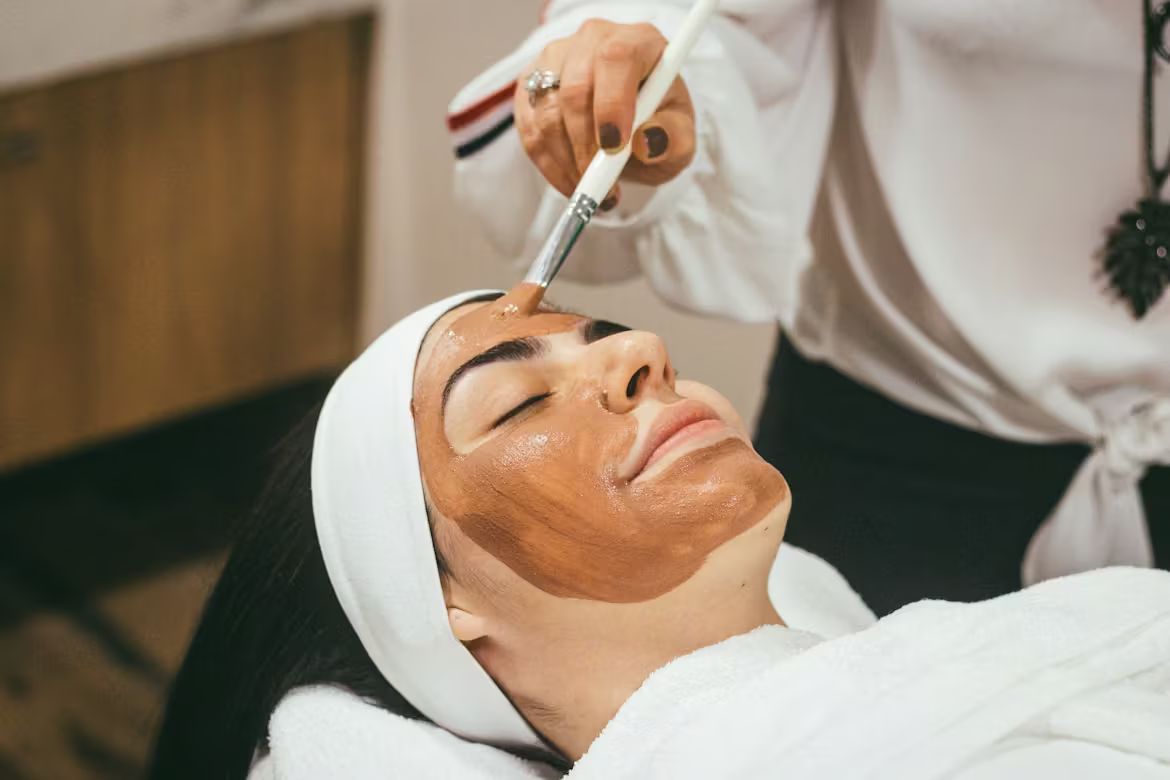
- Aesthetics (Skincare): Performing chemical peels, facials, and manual extractions to improve skin integrity.
- Nail Technology: The anatomical study of nails combined with the artistry of manicures and pedicures.
- Electrology and Hair Removal: Using various methods to manage body hair effectively and safely.

What is a Cosmetologist?
So, what is a cosmetologist in the modern workforce? They are licensed professionals who have completed rigorous training and passed state-mandated board exams. They act as stylists, consultants, and sometimes even “confidants” to their clients. Because they work so closely with the public, they are also trained to recognize skin and scalp disorders that might require medical attention, making them an informal first line of defense in personal wellness.
Why Cosmetology is a Good Career Choice
When people ask why cosmetology is a good career choice, they are usually looking for a balance of stability and fulfillment. The industry offers several unique advantages that are difficult to find in a standard 9-to-5 office environment.
1. Recession-Resistant Demand
While luxury spending might dip during economic downturns, the “Lipstick Effect” suggests that consumers continue to spend on small personal indulgences and essential grooming. People always need haircuts, and for many, professional hair coloring or skincare is a non-negotiable part of their identity. This provides a level of job security that is highly valued.
2. High Level of Social Interaction
If you are a “people person,” this field is unmatched. You spend your day interacting with diverse individuals, hearing their stories, and building long-term trust. For many stylists, their clients become like family. This social aspect prevents the isolation often felt in remote or corporate roles.
3. Immediate Results and Gratification
In many careers, it takes months or years to see the results of a project. In cosmetology, you see a transformation in 60 minutes. Providing a “makeover” and seeing a client’s self-esteem soar in real-time provides an immediate dopamine hit that keeps the work exciting.
4. Entrepreneurial Freedom
Cosmetology is one of the easiest fields in which to start your own business. Many professionals move from being employees to “booth renters,” where they essentially run a mini-salon within an existing shop. Others eventually open their own full-scale boutiques. For those interested in the logistics of scaling a business or building a brand, you can find inspiration in the innovative approaches to growth found at Ansh Shrivastava’s portfolio, which highlights the importance of technical foundations in modern entrepreneurship.
Is Cosmetology a Good Career Choice for Everyone?
While the perks are significant, it is vital to be transparent about the demands of the role. To determine if is cosmetology a good career choice for you, consider these physical and mental requirements:
The Physical Toll
Cosmetologists spend 8 to 10 hours a day on their feet. This can lead to fatigue and requires investment in high-quality ergonomic footwear. Additionally, the constant use of shears and blow dryers can lead to repetitive strain injuries like carpal tunnel syndrome if proper techniques aren’t used.
The Learning Curve
You never “finish” learning in this industry. A technique that is popular today, like Balayage, might be replaced by a new trend next season. Staying relevant requires attending hair shows, taking advanced certification classes, and constantly practicing on mannequins.
Career Paths and Specializations
One of the best things about this field is that your license is a “passport” to various niches. You aren’t stuck behind a chair if you don’t want to be.
- Editorial/Session Stylist: Working on photo shoots for fashion magazines or behind the scenes at New York Fashion Week.
- Platform Artist: Traveling the world to teach other stylists new techniques on behalf of major brands like L’Oréal or Wella.
- Medical Esthetician: Working alongside dermatologists or plastic surgeons to provide pre- and post-operative skin care.
- Salon Owner/Manager: Shifting from the creative side to the business side, managing staff, inventory, and marketing.
Education and Licensing Requirements
To enter the field, you must graduate from an accredited beauty school. According to the American Association of Cosmetology Schools (AACS), most programs require between 1,000 and 1,500 hours of training.
- Theory: Learning the chemistry of hair color, the biology of skin, and the laws of sanitation.
- Practical: Practicing on “live” models or mannequins under the supervision of an instructor.
- State Board Exam: A two-part test (written and practical) that proves you are safe to work on the public.
Maximizing Your Earnings in the Beauty Industry
Many people worry about the “starving artist” trope, but a career in beauty can be quite lucrative if approached strategically.
- Retail Sales: Selling professional-grade products to your clients can add a significant percentage to your take-home pay through commissions.
- Specialization: Specialists (like extension experts or blonde specialists) can often charge double or triple the price of a generalist.
- Digital Presence: In 2026, your Instagram or TikTok profile is your resume. Building a digital portfolio is essential for attracting high-paying clients.

Conclusion
When asking is cosmetology a good career, the answer depends on your definition of success. If you value creative independence, human connection, and a career where your growth is limited only by your own hustle, then it is an exceptional choice. It is a path that allows you to be an artist, a scientist, and a business owner all at once.
The beauty industry is more than just “vanity”—it is about confidence and care. For the right person, a license in cosmetology isn’t just a piece of paper; it’s an invitation to a vibrant, lifelong journey of transformation.
Frequently Asked Questions
What is the average work schedule for a cosmetologist?
Most cosmetologists work a flexible schedule, but it often includes Saturdays and some evenings, as those are the times most clients are available. However, as you build a loyal following, you gain more control over your calendar.
Can I transfer my cosmetology license to another state?
This depends on “reciprocity” laws. Some states allow you to transfer your license easily, while others may require you to take additional hours or a new exam. Always check with the National Interstate Council of State Boards of Cosmetology.
How much does cosmetology school cost?
Costs vary significantly based on location and the prestige of the school. On average, tuition can range from $5,000 at a community college to over $20,000 at a top-tier private institute. Many schools offer federal financial aid.
Is the beauty industry being replaced by AI?
While AI can help with “virtual try-ons” or booking appointments, it cannot perform a physical haircut, apply hair color, or provide a relaxing facial. The physical skill of a cosmetologist is currently “automation-proof.”
What is the difference between a cosmetologist and an esthetician?
A cosmetologist is licensed to work on hair, skin, and nails. An esthetician is a specialist who focuses exclusively on skincare and hair removal. If you only want to do facials and chemical peels, an esthetics license is often a shorter program.